Three days a week of preschool, all the way through
Why we picked a Reggio Emilia, play-based preschool in Bangkok and never moved up to five days, even when every school told us we would.
By May Haas·26 May 2026
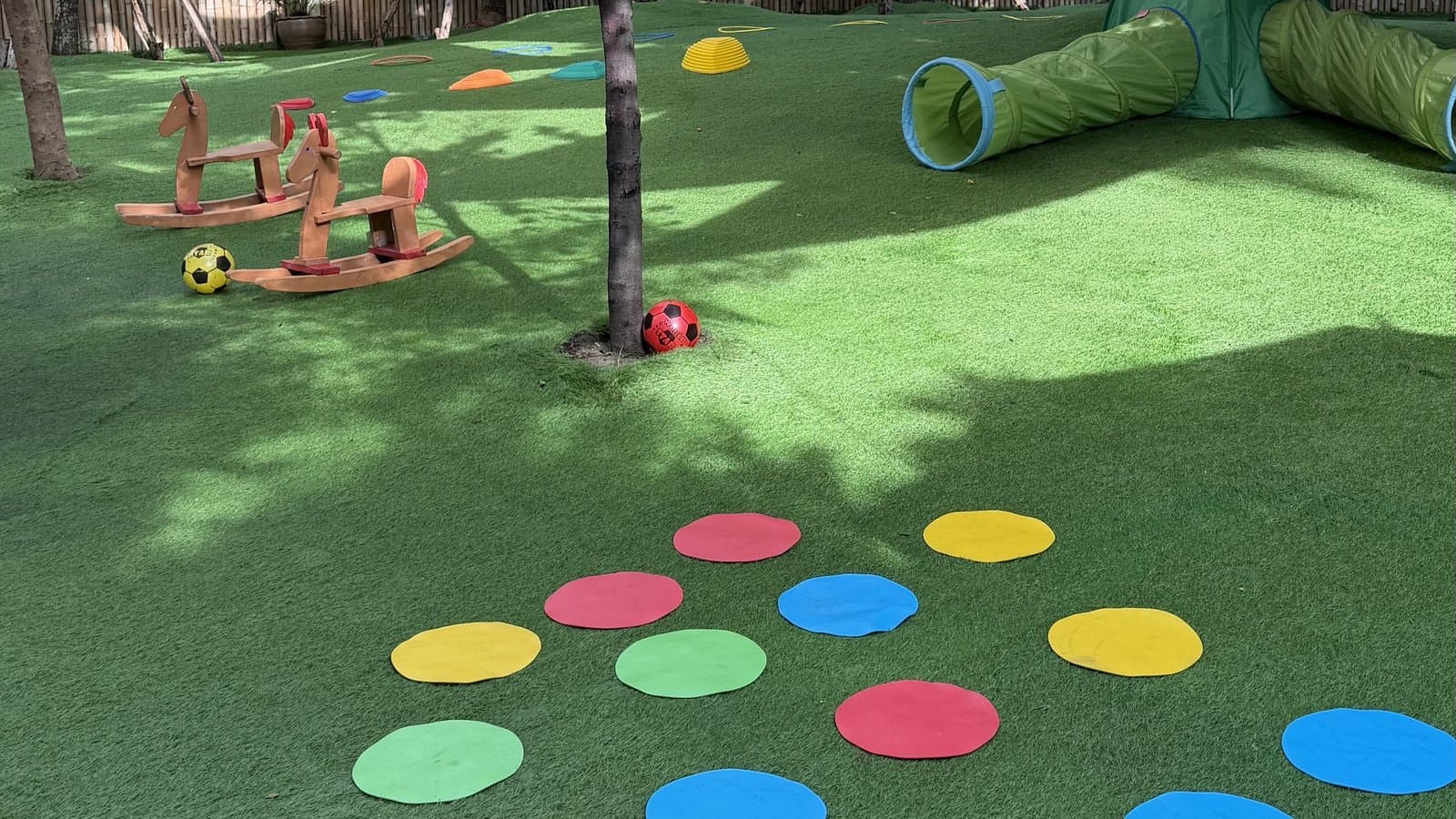
There’s a lot of pressure these days around early childhood education. By the time children are toddlers, conversations already begin around academics, structure, and “getting them ready” for school. But for our family, I knew very early on that I wanted something slower, gentler, and more child-led for my son’s first years.
One thing that mattered deeply to me was not only choosing a play-based, Reggio Emilia-inspired preschool, but also keeping it part-time at three days a week for his entire preschool journey.
We stayed with three days the whole way through, even when every school we toured told us most families end up moving to five.
What every Bangkok preschool told us
Almost every school we looked at in Bangkok told us the same thing: most families who start with three days eventually move up to five. The preschool we ultimately chose mentioned it too. But we stayed with three days the whole way through, and honestly, I’m really proud of that.
There are only a small handful of Reggio Emilia-based preschools in Bangkok that even allow children to attend under five days a week. Many schools strongly encourage full-time attendance from very early on.
I’ve also done a fair bit of reading on early childhood education, and something that really stayed with me is that in several Western countries, compulsory schooling doesn’t even begin until age five. I personally love that idea.
What drew me to play-based learning
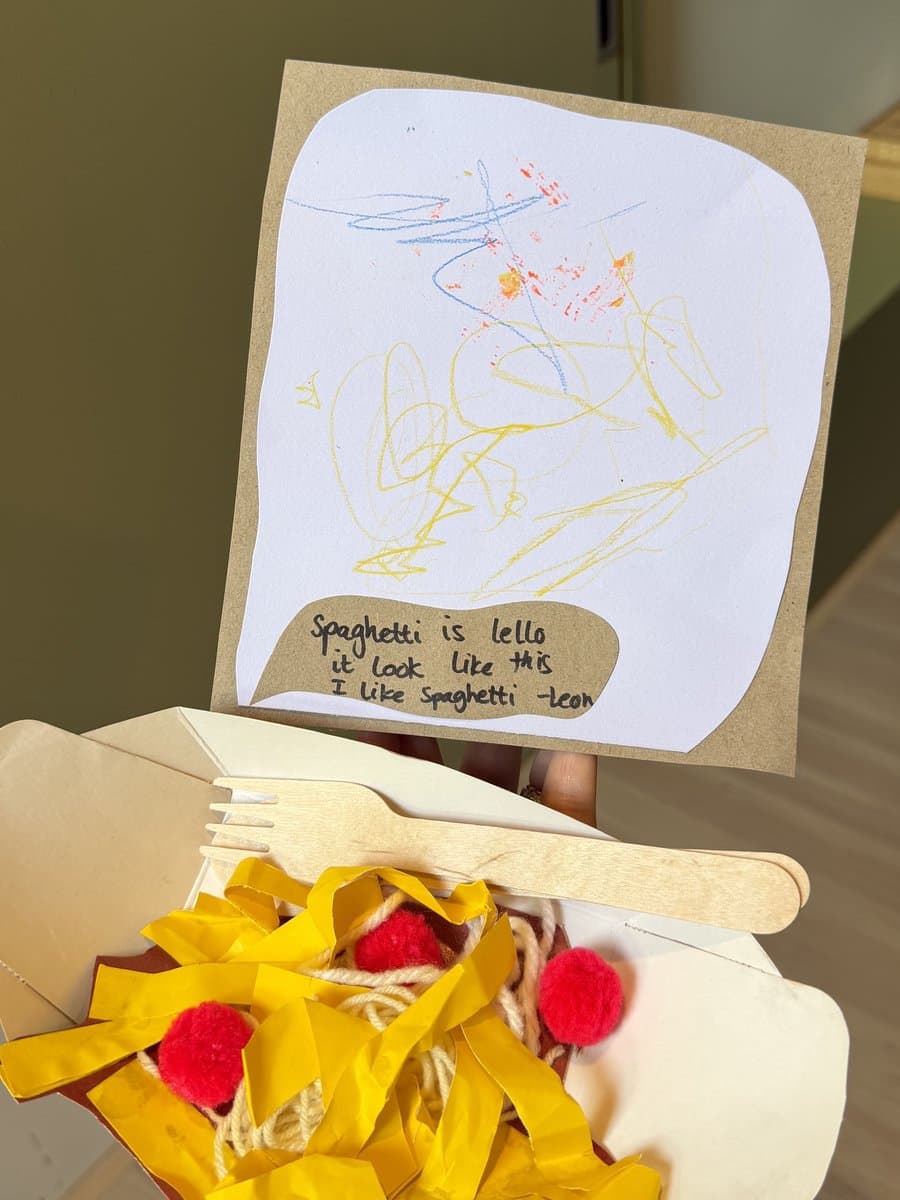
What drew me most to a play-based and Reggio Emilia approach was the philosophy of child-led learning. There are no rigid lesson plans or pre-packaged curriculums. Instead, learning unfolds naturally through the children’s curiosity, questions, creativity, and real-world interests.
At this age, I honestly don’t care whether my son can spell his name at three or count to twenty perfectly. Those things will come. What matters more to me is that he feels confident expressing himself.
What the classroom actually looks like
I fell in love with the environment too. The classrooms are calm, filled with natural light, earthy tones, and beautiful open-ended materials. Instead of loud commercial plastic toys with flashing lights and batteries, the spaces are filled with “loose parts” like stones, buttons, fabrics, wooden blocks, and natural objects that encourage imagination and problem-solving.
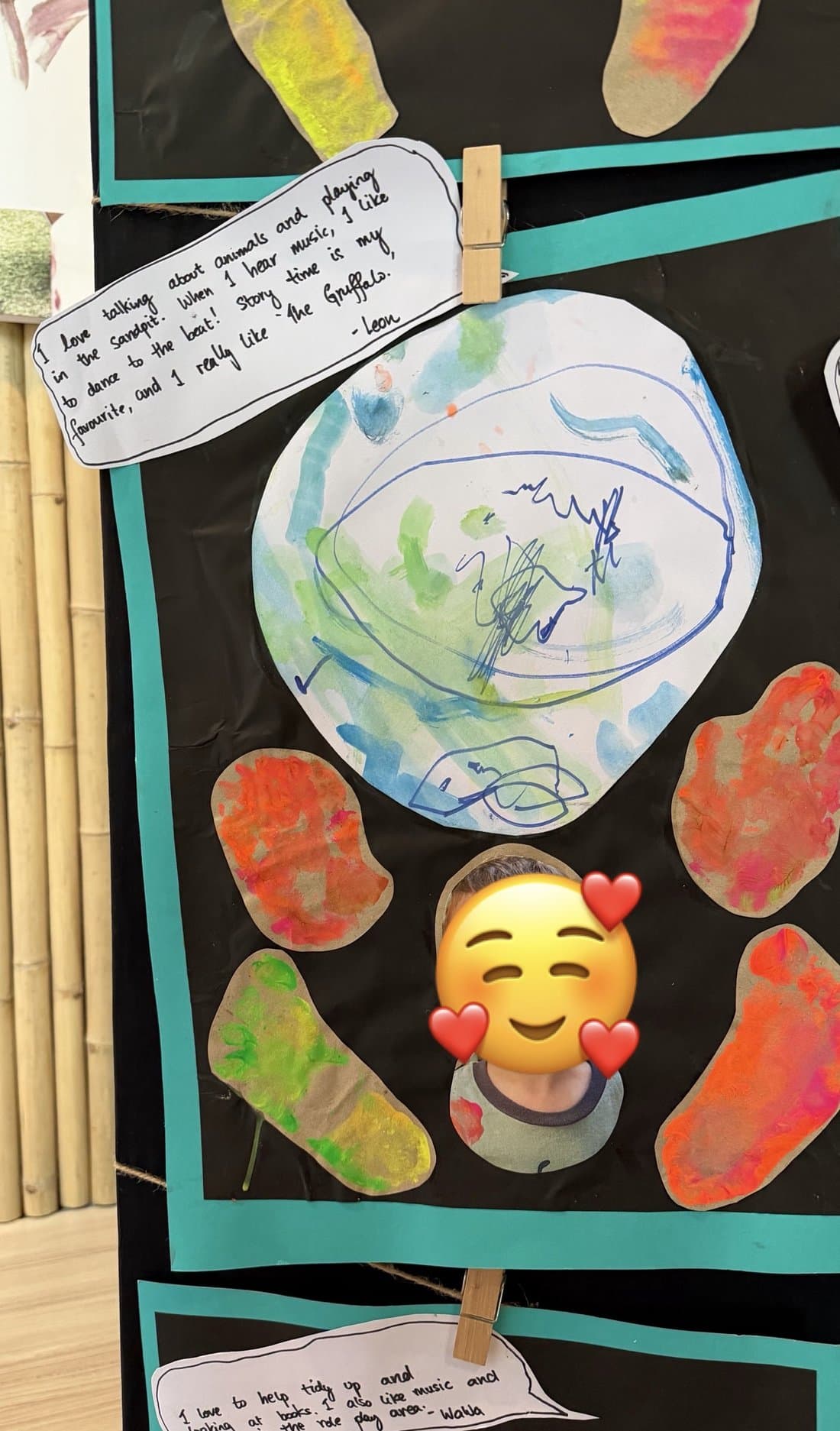
Teachers as partners
Another thing I deeply value is the role of the teachers. In Reggio Emilia settings, teachers act more like partners and collaborators rather than standing at the front of a classroom lecturing.
What I'd do again
Every child and every family is different, and there is no one “right” way to approach education. This was simply the path that felt most aligned with our values and with the kind of childhood I wanted my son to experience.
My son will begin compulsory five-days-a-week schooling when he is almost four, and I wouldn’t have done these early years any other way.
If you’re a mom in Bangkok wrestling with these same questions, you’re not alone. We talk about all of it inside The Village: schools, schedules, the choices nobody else seems to be making. Whichever stage your kid is in, someone in the room was there a year ago.

Read next
More from The Village
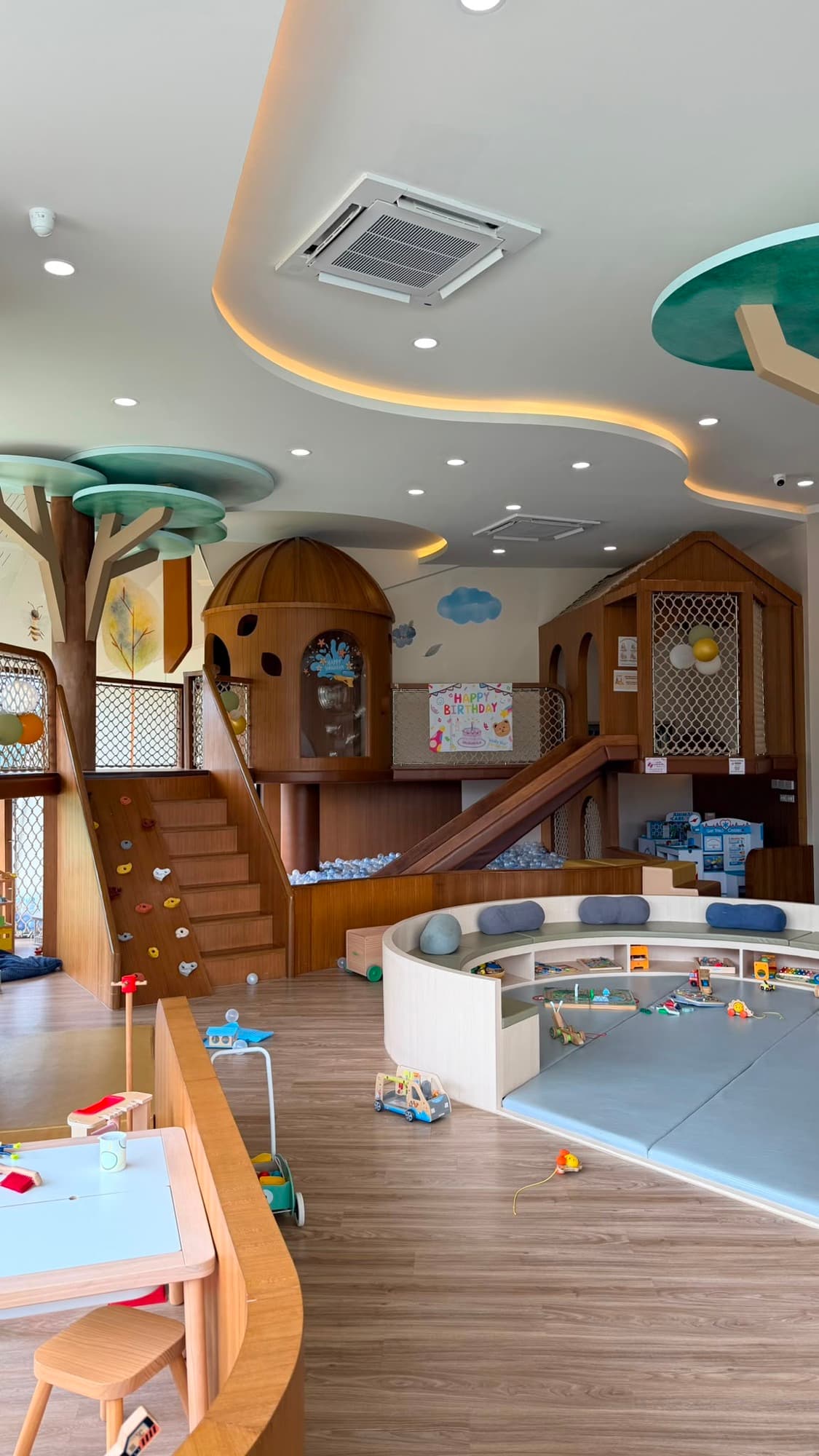
Indoor playgrounds in Bangkok where I can actually get work done
The three Bangkok kids cafés where I can open my laptop and still keep an eye on my son the whole time.
Toddler weekends in Bangkok: what we actually do with our three-year-old
One Bangkok mom on what actually works for a Saturday with a small kid. Real places, real bag, real nap strategy.
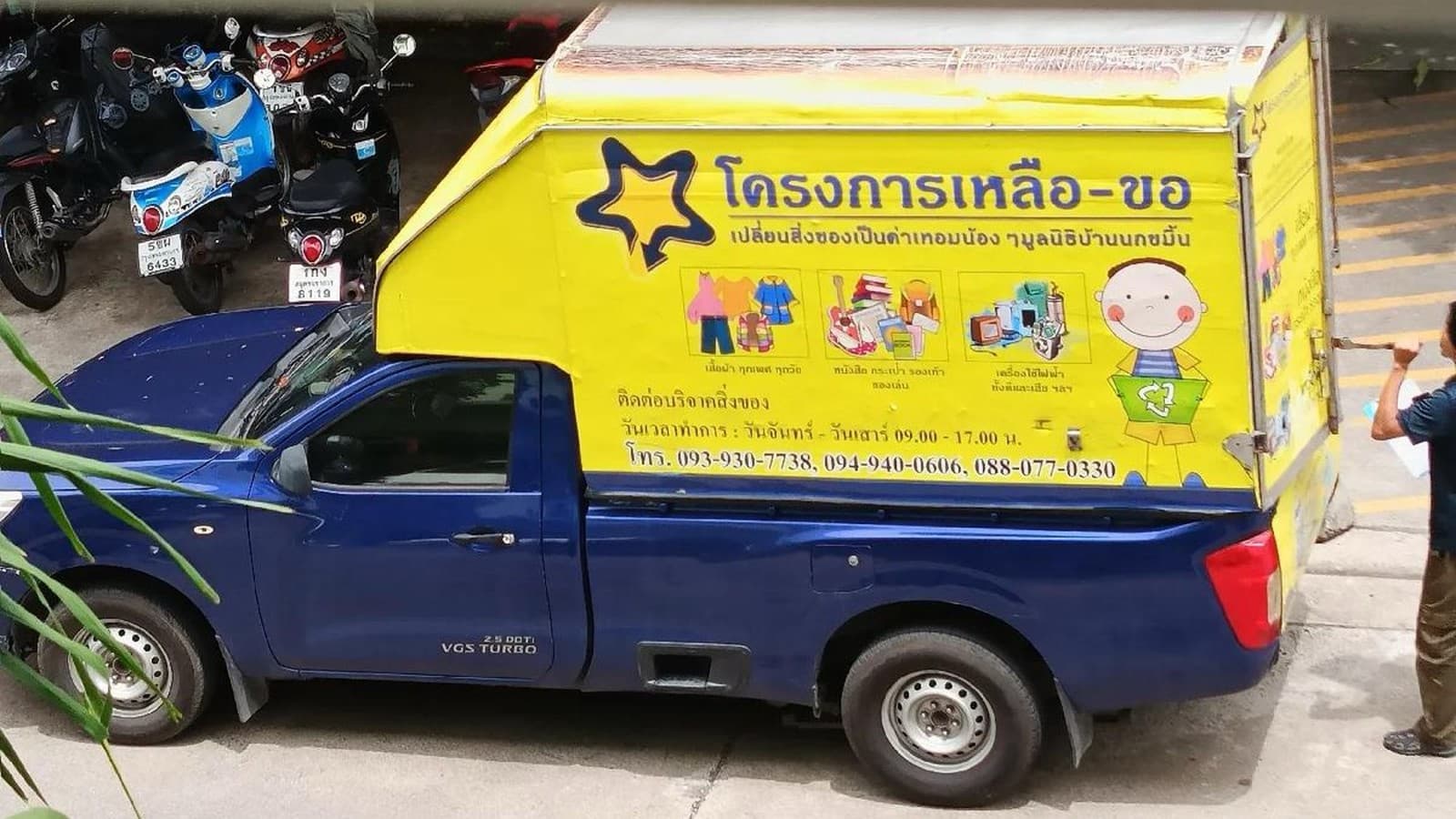
Where to Donate Used Clothes, Toys and Books in Bangkok, With Free Pickup
Outgrown clothes, forgotten toys, piles of books. A Bangkok charity project will pick them up from your door and turn them into school fees for children in need.